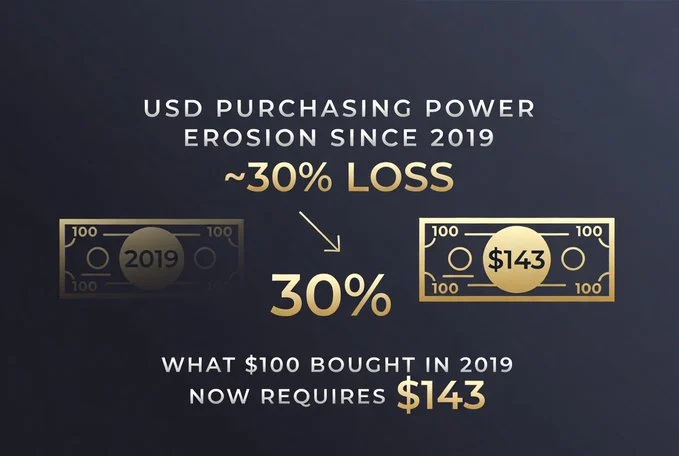
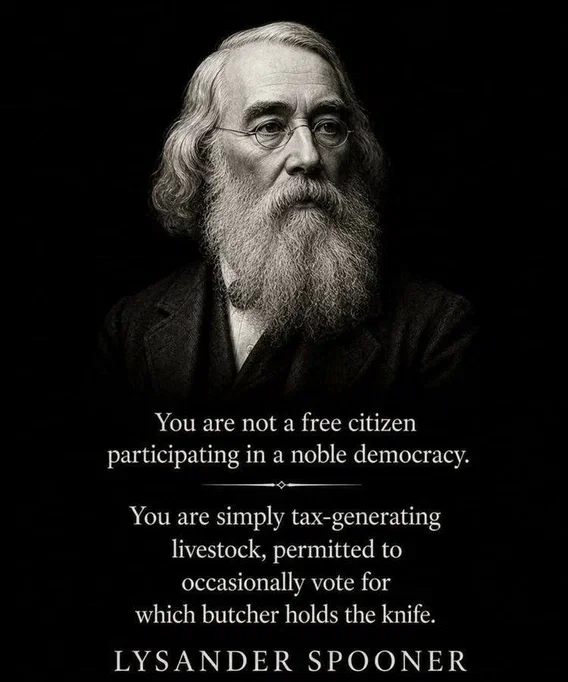
In a famous interview Ernest Hemmingway was asked how he went bankrupt and he replied: "Gradually then, suddenly!" Our entire economy and, by extension our collective lifestyle, has been in the "gradually" stage for quite a while now. Something tells me we're about to enter the "then, suddenly" part quite soon.
Small business owners tend to be very focused on running their business which is to say they don't always pay close attention to peripheral situations that might affect them profoundly in the future. They closely monitor local state, county and city ordinances relevant to their particular models however, things that happen on the other side of the world which may show up in headlines on legacy media don't keep them up at night because they're not close enough to home to have any meaningful affect on their daily business and/or personal lives.
The wake up call usually comes on the form of an unexpected price increase on an invoice from a vendor or an email stating that the supplies they ordered aren't available right now. Consumers think in the same way but they're slower to react to the changes even when they become glaringly apparent. For example, the purchasing power of the dollar has been eroding at a much faster pace than in previous years but most folks are just now starting to really notice the accelerating depreciation of their buying power because gas prices rose sharply.
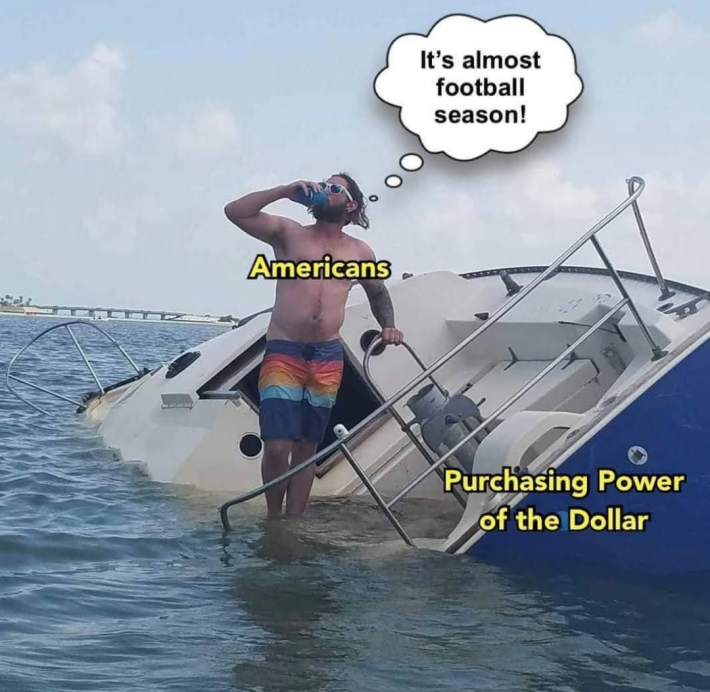
Don't worry, there's enough time to catch the 2nd half!
Meanwhile, costs go up exponentially while income stagnates creating "Stagflation" which is where we pay mare but earn less.
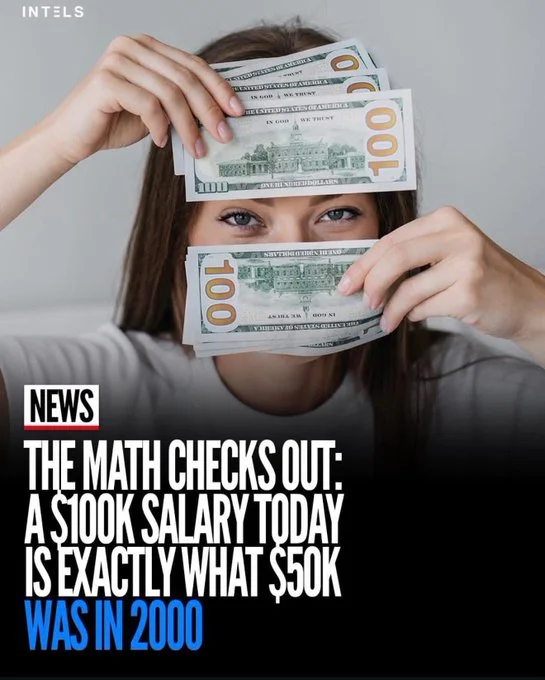
This dynamic will have immediate and very profound ramifications on almost all small business owners from restaurants to truckers. Borrowing capital to grow is harder because interest is higher but the returns are lower because they end up selling fewer products with thinner margins. While the headlines scream about the record stock prices consumers and the small business owners who rely on them are getting slammed.
"Major U.S. stock market indexes continue to float along at or near all-time highs. The ride’s been both fun and exhilarating. But stocks aren’t the only things floating at such incredibly lofty levels. Gas station signs and grocery store receipts show that everyday essentials are similarly expensive. These sky-high prices are less enjoyable. For the wealthy, those who hold an abundance of stocks, real estate, and other appreciating assets, the economy has never been better. They get richer while they sleep. However, for the average wage earner, the story is entirely different. For those having to make the difficult choice between filling up their gas tank just to get to work or filling up their family’s bellies, this economy absolutely blows."
"Then, suddenly" doesn't necessarily mean that something actually changed but rather that more people notice the change than before. That is to say, most of what we're experiencing now has been coming for a while but the government has been massaging the numbers and media has been complicit in the lying.
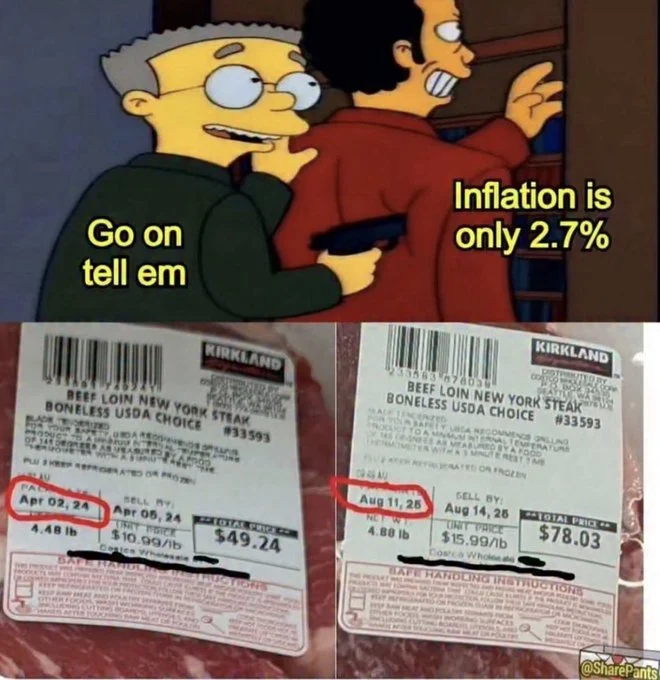
Business owners have to know what's actually happening otherwise they'll be blindsided by reality if they ignore it for too long. Of course, the ones who are supposed to inform us are complicit in the deceit so when the SHTF they will simply claim "no one saw this coming"!
The term "Tank Bottoms" is starting to filter into the daily news discourse which means the truth about what's about to "suddenly" happen in energy prices is becoming harder to conceal. Tank bottom is when the containers that hold our oil reserves reaches the lowest level where clean oil can be extracted. Once tanks reach bottom the oil inside is too thick to use efficiantly.
When consumers have to pay more for gas they cut back on other things; the same things small business owners need them to spend on.
A lot of people out there seem to think that the U.S. will be immune because we produce so much of the oil that we use.
But the truth is that U.S. oil stocks just fell “to their lowest level in two decades”…
The fact is we're not doing nearly as well as the stock market says we are. In fact, when reality catches up to the hype it will be very "suddenly". In my daily contact with owners I'm constantly talking with them about how to find affordable working capital so these discussions are helpful to anyone trying to understand how to position their companies to survive and thrive as develpoments unfold.
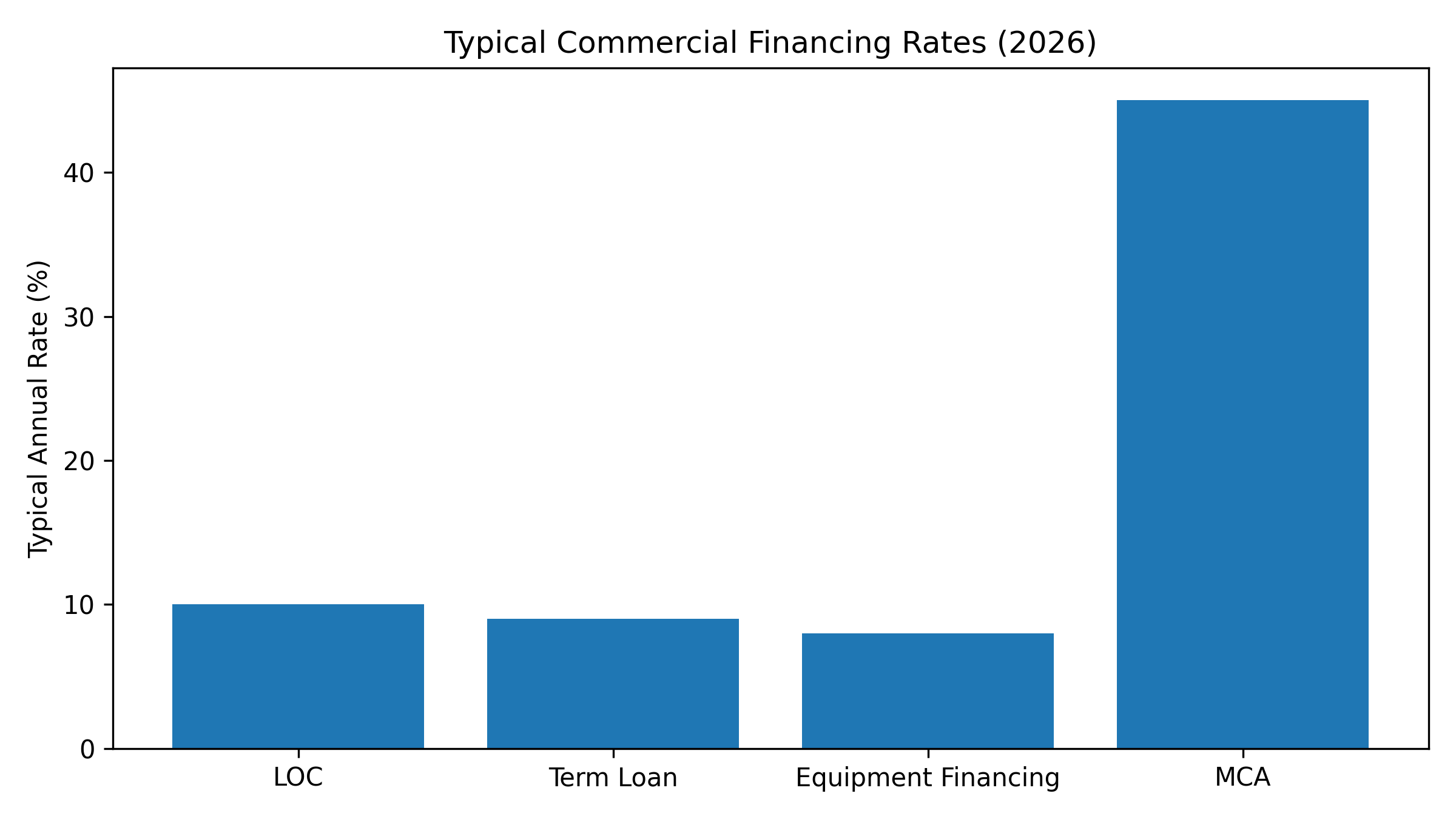
Here are the current rate(s) for the most commonly used commercial capital financing facilities:
Commercial loan pricing varies widely based on borrower credit quality, time in business, revenue, collateral, and lender type. As of mid-2026, these are reasonable market ranges for small and mid-sized businesses:
Typical Market Ranges
Notes
- LOCs are usually variable-rate and often tied to Prime Rate.
- Term loans generally offer the lowest rates for established businesses with strong financials.
- Equipment financing is often priced favorably because the equipment serves as collateral.
- MCAs typically quote a factor rate (e.g., 1.25x–1.50x) rather than an APR; when converted to an annualized rate, the effective cost is often much higher than traditional loans.