As we all prepare to vote in what is being described as "the most important election ever" the message we're hearing is this: "All is well, never better! Now go out and buy water, canned food and flashlights in case there's an extended blackout due to events we can't talk about." It's understandable how that message might cause some confusion but this is our new normal now. In this weeks report I'm going to concentrate on the things we can see and measure to hopefully make a reasonabale estimate how they will be affected by the election results if at all.
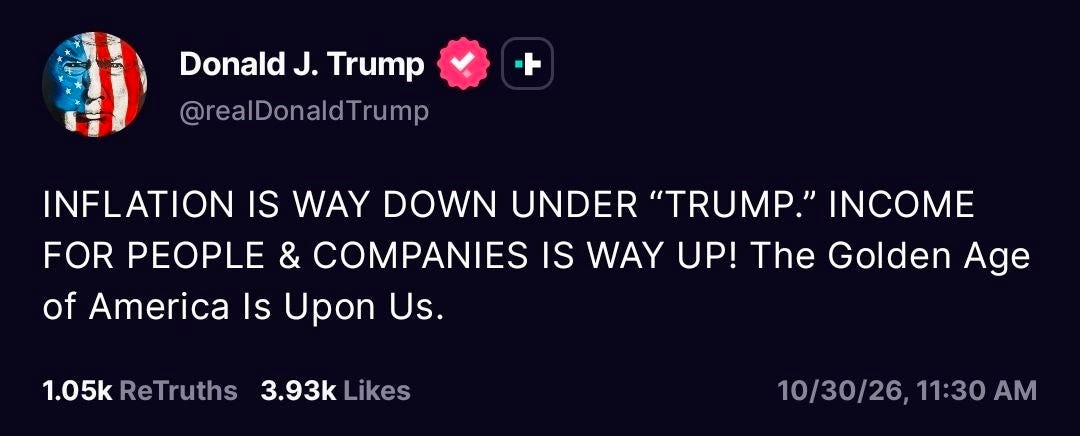
For small business owners, borrowing capital in this "Golden Age" can be challenging to say the least. Let's take a look at three of areas of concern and simulate what the post-election environment might look like.
- What will happen happen to business operating costs?
- How might interest rates and credit conditions be affected?
- What financing options will businesses have if conventional bank programs get tight?
Operating costs are unlikely to change their upward trend regardless of who wins or loses these elections. First of all, none of the candidates even perceive inflation of overall costs as a problem (see yesterday's post from the President if you don't believe me). Secondly, even if some candidates wanted to lower costs for businesses what tools do they really have? Energy prices are a direct result of the war which isn't going to improve and may actually get way worse. That will make prices of critical supplies even higher across the board as production and transportation costs ripple through the entire daisy chain of supplies from the farm to the grocery store shelf. My conclusion is that the election will not change the upward trend in business operation costs so owners should prepare to deal with higher costs for longer.
“My favorite inflation index is the import/export price index, because it doesn't have adjustments... based upon these, the purest of the inflation measures, inflation is actually running at about 7%. No wonder consumer sentiment is at such a depressed level.”
Jeff Gundlach
"US export prices surged by 11.6% year-over-year in September 2026...import Prices in the United States increased 8.1% year-on-year in September 2026, the most since July 2022"
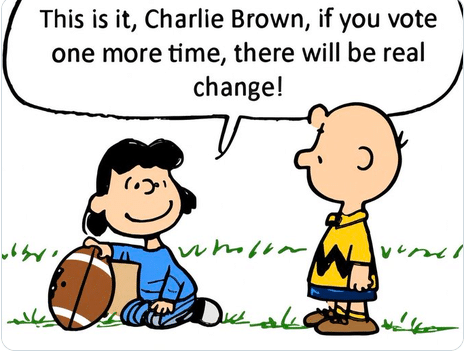
Interest rates are already high and, based on the most reliable sources I use to research the issue they will very likely go higher. Prime rate which drives all commercial loan rates is 7%, mortgage rates are averaging around 8% and most commercial loan programs are at significantly higher costs including fees than I have seen in decades. Both political parties care since higher rates directly affect the government operation costs but there is little they can do to bring them down. The Fed does NOT determine interest rates; that is the job of the Treasury bond market which is already out of control and causing pain from higher rates in two critical areas: One is the interest the government pays to service it's $40+ Trillion debt which has already reached over $1 Trillion annually (more than defense!) and: Two, the banks who own the 10,20 &30 year bonds with MUCH lower rates from just a few years ago are carrying massive losses, some as high as 50% of principal(!!) The Treasury needs to sell $8 Trillion over the next 12 months just to replace expiring bonds and no one wants to buy them anymore unless they pay high interest. The days of free ride, near-zero interest bonds are gone.
Financing options for businesses have tightened up significantly but there are still plenty of lenders who will fund commercial borrowing needs especially for growth-oriented activities such as the purchase of land for expansion, renovations and acquisitions. Shout out to my Commercial Loan banker friends: Many private funds are looking to place their capital with solid business plans who need more than your bank guidelines will provide. The issue many banks are having is there are constraints on the amounts they can approve so it's always good to have reliable partners that can offer supplemental programs to get the funding needed. For example, business owners may need to combine two or more different loans types to get the total funding required. I regularly partner with my commercial banking colleagues to help their clients using creative program combinations like equipment cash-out refi loans on top of HELOC or LOC. I don't expect the election results to change much in lending conditions; lenders have capital and businesses have needs. The private sector will find a way to bring those two things together efficiently.
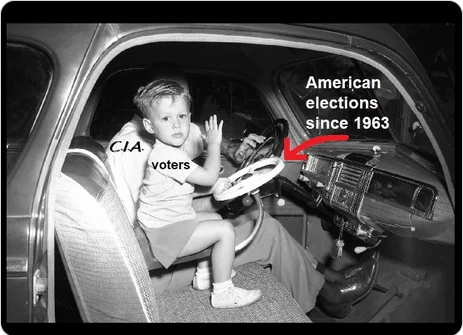
These are the lowest confidence elections I can remeber:
"Americans are heading into the November 3 midterm elections with confidence in Congress at historic lows. A new Gallup poll found that only 14% of Americans approve of the job Congress is doing, the lowest approval rating recorded immediately before a midterm election since Gallup began tracking the measure in 1974. Only 15% of registered voters believe most members of Congress deserve reelection, while just 43% believe their own representative should remain in office. That is the lowest reading for support of one’s own representative in Gallup’s final pre-midterm surveys dating back to 1994. Americans have traditionally criticized Congress while maintaining a more favorable opinion of their own representatives. Now even that distinction is deteriorating. The dissatisfaction extends across party lines, with congressional approval at 29% among Republicans, 13% among independents, and only 4% among Democrats." - Martin Armstrong
Can you really blame them?
"Households are paying substantially more for food, insurance, housing, energy, and everyday necessities than before the pandemic. Politicians continually speak about inflation as though the problem disappears when the annual percentage declines. The average family does not experience the economy through a government statistical release. They see the price of groceries, their mortgage payment, the cost of automobile insurance, and whatever money remains after taxes. Slower inflation does not reverse years of lost purchasing power." - Martin Armstrong
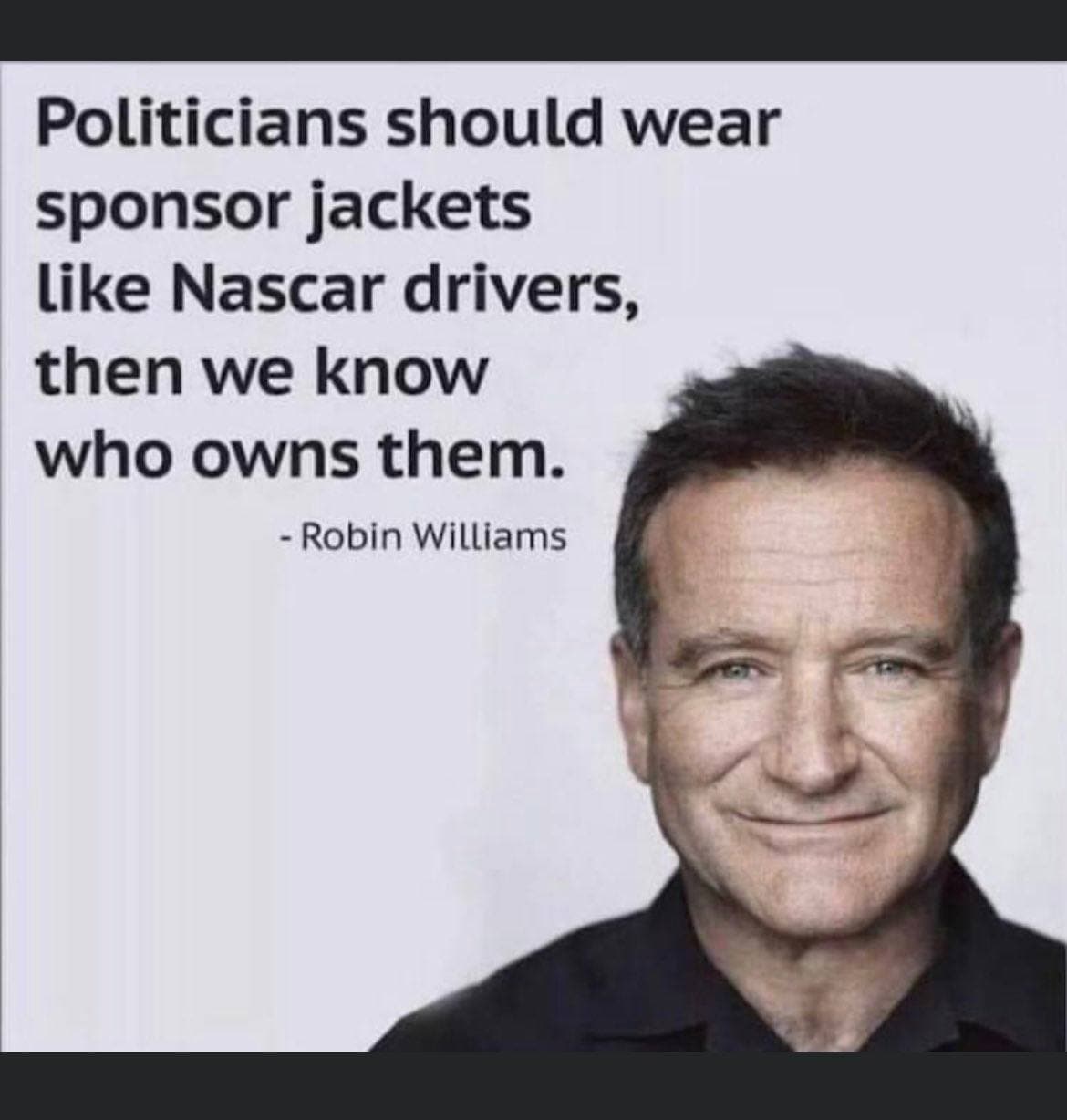
"The November 3 midterms will provide a clearer measure of how Americans translate these frustrations into political choices. Whatever the composition of the next Congress, the underlying economic problems will remain. Inflation has already reduced purchasing power, the federal debt continues to require financing, and housing affordability remains a major obstacle for younger generations. Washington can change which party controls the committees and who occupies the leadership positions, but that alone does not repair the national balance sheet or restore lost purchasing power. The real test will be whether elected officials can address the economic conditions driving public dissatisfaction rather than simply treating another election as a contest for political control." - Martin Armstrong
There are so many wild cards at play in this pre-election period that it's almost as if the elections are secondary. The war has already made gas, diesel and fertilizer unaffordable and now they're telling us to prepare for extended blackouts with military units commanded to have 90 days of energy and food supplies. (WTH??)
Last week, the stock market fell out of bed with chip makers like Intel falling almost 30% in a day. AI and all of it's magical unicorn companies just pooped the bed which will have a major affect on peoples 401k's and such. Housing is rolling over with sellers not selling and buyers not buying. Developers are having to slash pricing and even buy down points to offer 4.99% mortgages and still can't sell enough homes to break even.
None of the politicians running are telling us how they plan to fix these extremely serious issues which tells me they have no plan other than how to consolidate their power and punish their political rivals.
This election won't change much of what we need to change IMHO.
Until next week, God bless!